
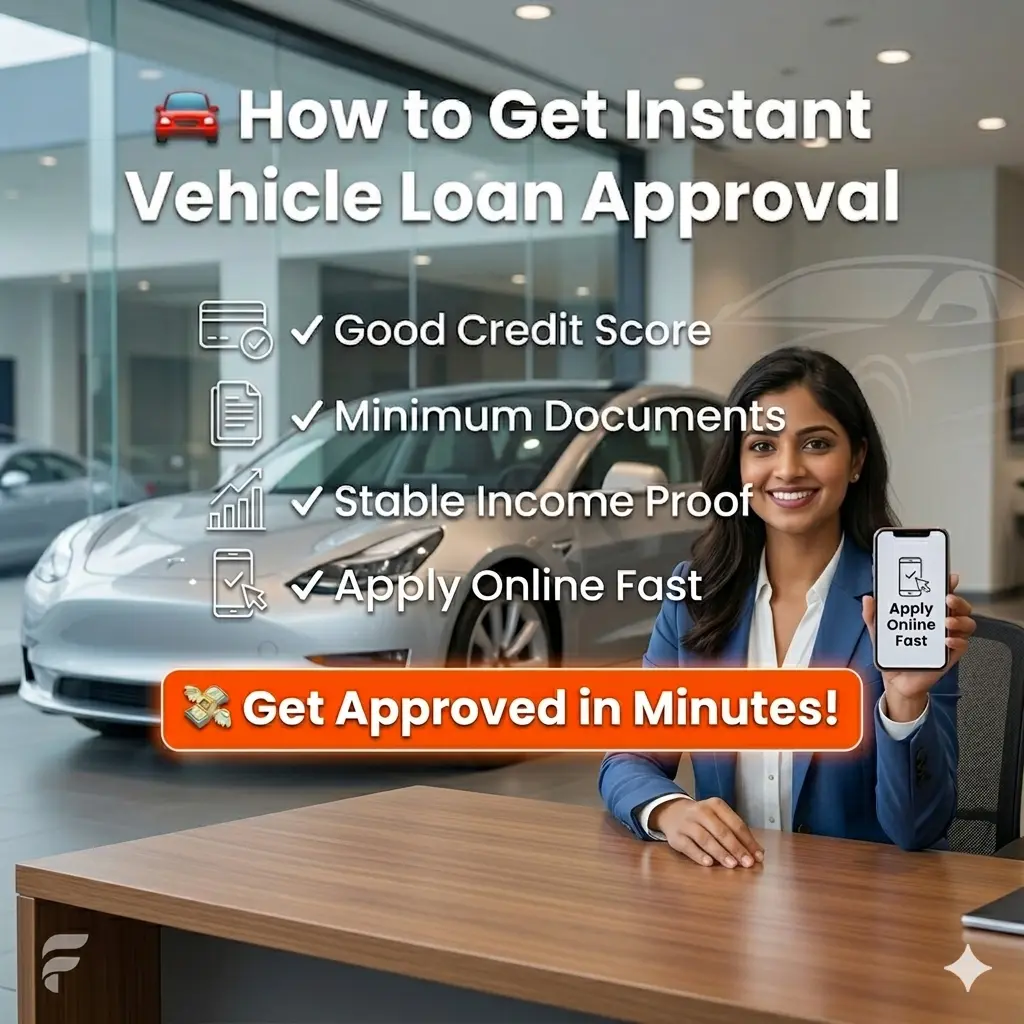
Buying a vehicle is a big financial decision, and first-time buyers often wonder whether to take a car loan or a bike loan. Both have their advantages and are suitable for different needs, budgets, and lifestyles. This guide will help you compare car and bike loans so you can make an informed decision.
1. Loan Amount and Vehicle Cost
Car loans typically have higher loan amounts because cars are more expensive than bikes. Bike loans are smaller, with lower EMIs and lower overall interest payments. Choose based on your budget and requirement.
2. Interest Rates
Interest rates for bike loans are usually slightly higher than car loans for first-time buyers because the loan amount is smaller and lenders consider it riskier. Compare lenders before applying.
3. Repayment Tenure
Car loans generally offer longer repayment tenures (1ÔÇô7 years) while bike loans have shorter tenures (1ÔÇô5 years). Longer tenure reduces EMI but increases total interest.
4. Eligibility Criteria
Eligibility for both loans is similar: age, stable income, good credit score, and proper documentation. Some lenders may have relaxed rules for bike loans due to lower amounts.
5. Down Payment
Car loans require a higher down payment (usually 10ÔÇô20% of the car price), while bike loans have a smaller down payment (5ÔÇô15%). Choose according to how much you can invest upfront.
6. EMI Affordability
Bike loans have lower EMIs because the principal amount is smaller. Car loans EMIs are higher, but if you plan a longer tenure, monthly payments can be manageable.
7. Usage and Purpose
If your daily commute is short or in traffic-heavy areas, a bike may be more practical. If you need family transport or long-distance travel, a car is better. Your vehicle choice impacts the loan decision.
8. Insurance and Maintenance
Car loans usually require comprehensive car insurance, which can increase cost. Bikes also require insurance, but premiums are lower. Maintenance for cars is higher than bikes.
9. Tax Benefits
In India, car or bike loans for personal use do not offer tax benefits. However, loans for business vehicles may provide tax deductions on interest paid.
10. Quick Tips for First-Time Buyers
- Compare interest rates from multiple lenders.
- Check your credit score and improve it if needed.
- Opt for EMIs that fit your monthly budget.
- Consider total cost including insurance, fuel, and maintenance.
Conclusion
Both car loans and bike loans have advantages depending on your needs, budget, and lifestyle. Bikes are affordable with lower EMIs, while cars provide comfort and family transport. Compare costs, tenure, and your repayment ability before deciding. Smart planning ensures you choose the right vehicle and loan for your situation.